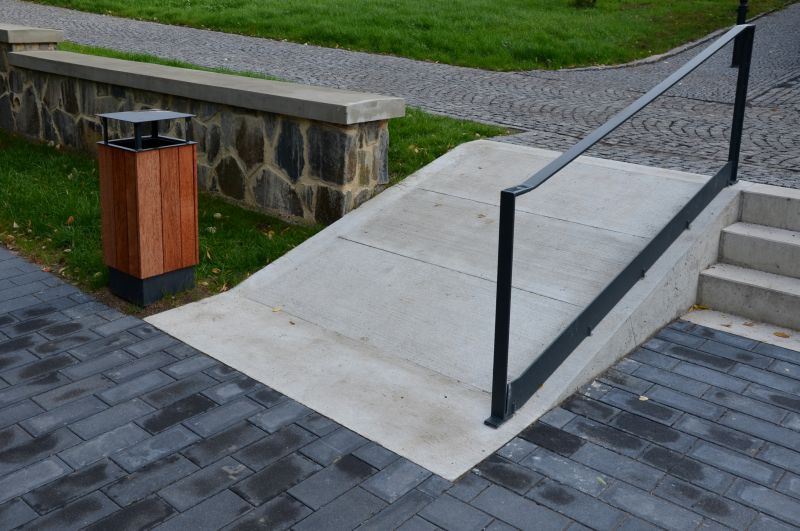
Concrete Ramp Installation in Denver, CO
Concrete ramp installation services provide a durable and accessible solution for property owners seeking to improve entryways, driveways, or pathways. These ramps are suitable for a variety of projects, including residential entrances, garage access points, wheelchair accessibility, and outdoor pathways. Homeowners typically request this service to enhance safety, comply with accessibility standards, or facilitate easier movement of carts, bikes, or mobility devices. Before requesting installation, property owners should consider the location, desired slope, and dimensions of the ramp to ensure it meets their specific needs and adheres to local regulations.
Understanding the different types of concrete ramps available can help homeowners make informed decisions. Factors such as the ramp’s length, incline, surface texture, and integration with existing landscaping are common considerations. It is also important to evaluate the foundation and drainage to prevent issues over time. Proper planning ensures the ramp will be functional, safe, and long-lasting, making it a practical addition to any property requiring improved accessibility or functional outdoor access.
Many property owners in Denver, CO look into Concrete Ramp Installation for repairs, replacements, upgrades, and appearance-related improvements.
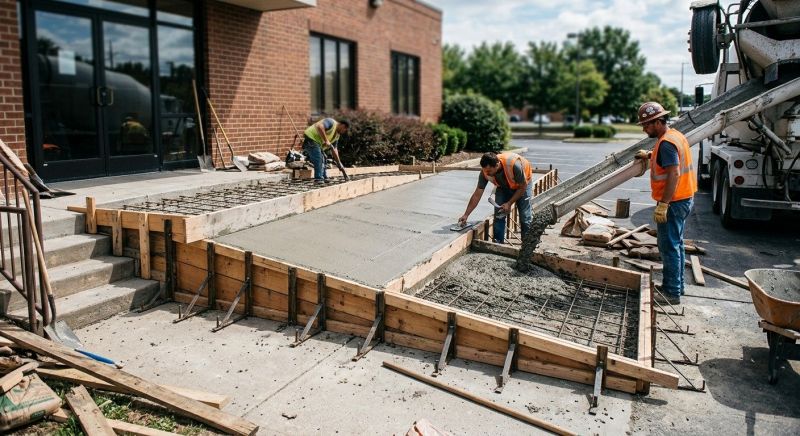
Accessibility Improvements
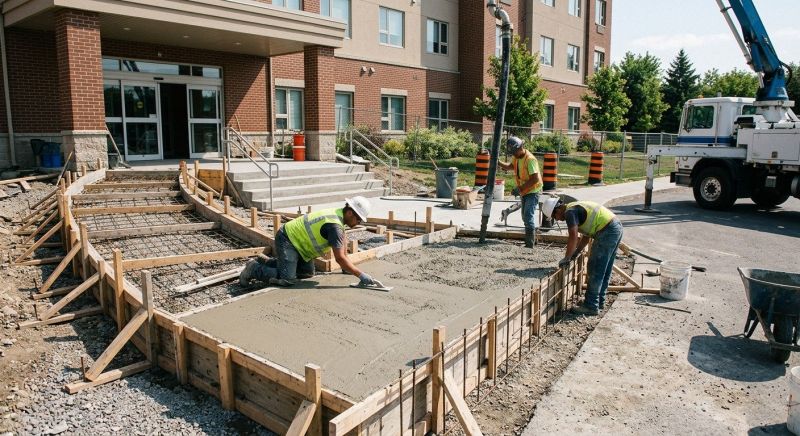
Concrete ramps provide safe and easy access to buildings for all visitors.
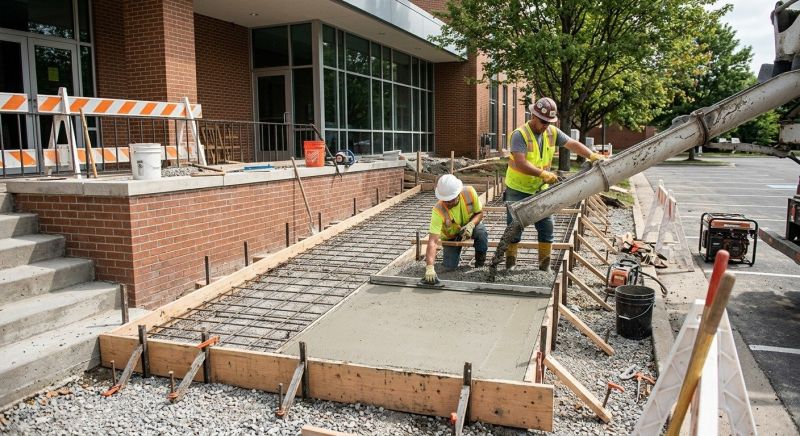
Durable Construction
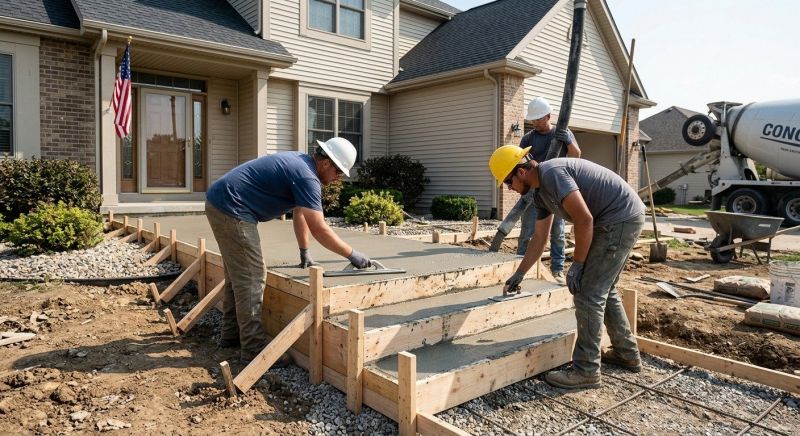
Properly installed concrete ramps withstand heavy use and harsh weather conditions in denver.
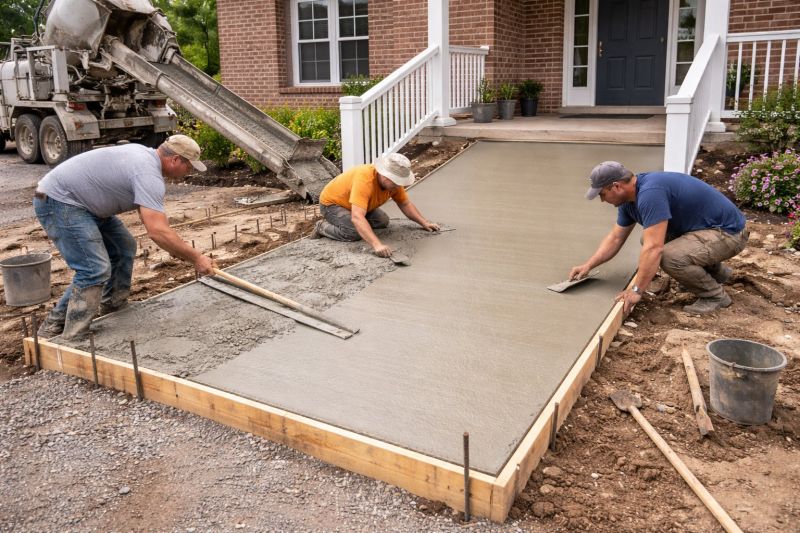
Custom Design Options
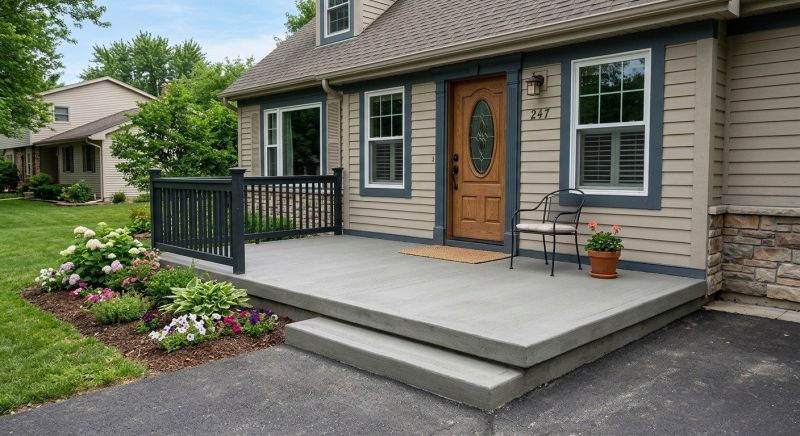
Ramps can be tailored to match property layouts and meet specific accessibility needs.
Concrete Ramp Installation in Denver, CO

Concrete ramp installation services provide a durable and accessible solution for property owners seeking to improve entryways, driveways, or pathways. These ramps are suitable for a variety of projects, including residential entrances, garage access points, wheelchair accessibility, and outdoor pathways. Homeowners typically request this service to enhance safety, comply with accessibility standards, or facilitate easier movement of carts, bikes, or mobility devices. Before requesting installation, property owners should consider the location, desired slope, and dimensions of the ramp to ensure it meets their specific needs and adheres to local regulations.
Understanding the different types of concrete ramps available can help homeowners make informed decisions. Factors such as the ramp’s length, incline, surface texture, and integration with existing landscaping are common considerations. It is also important to evaluate the foundation and drainage to prevent issues over time. Proper planning ensures the ramp will be functional, safe, and long-lasting, making it a practical addition to any property requiring improved accessibility or functional outdoor access.
Many property owners in Denver, CO look into Concrete Ramp Installation for repairs, replacements, upgrades, and appearance-related improvements.
Common Concrete Ramp Installation Jobs
Residential Driveways - concrete ramps provide smooth access for vehicles entering garages or parking areas.
Business Entrances - durable concrete ramps ensure safe and accessible entry for customers and employees.
Garage Access - concrete ramps create level, stable transitions from driveway to garage floor.
Loading Areas - concrete ramps facilitate easy movement of carts and equipment into commercial spaces.
Landscape Transitions - concrete ramps help connect different terrain levels for safe outdoor movement.
Wheelchair Accessibility - concrete ramps provide safe, compliant access for mobility-impaired individuals.
Concrete Ramp Installation Questions
What types of projects require a concrete ramp? Concrete ramps are commonly used for wheelchair accessibility, loading docks, and driveway transitions to improve safety and ease of movement.
How thick should a concrete ramp be? Typically, a concrete ramp should be at least 4 inches thick for residential use, with thicker slabs for heavier loads or commercial applications.
What is the best slope for a concrete ramp? The recommended slope for a wheelchair ramp is 1:12, meaning one foot of ramp length for every inch of rise, ensuring safe and accessible use.
Are there design options for concrete ramps? Yes, concrete ramps can be customized with features like textured surfaces for traction, gentle curves, and integrated handrails to suit specific property needs.
Request Concrete Ramp Installation in Denver, CO
Use the quote form on this page to share the basics of your project and request more information for the type of work you need.