How Weather Conditions Affect Concrete Delivery and Placement
People seeking concrete delivery often want reliable service to ensure proper placement despite weather challenges, and local contractors can help manage weather-related factors effectively.
Understanding how weather conditions affect concrete delivery and placement is essential for property owners planning construction or renovation projects. Unpredictable weather, such as rain, extreme heat, or cold temperatures, can impact the quality and durability of concrete, potentially leading to delays or issues with the finished surface. Property owners in the area might explore this topic to better prepare for weather-related challenges, ensuring their project proceeds smoothly and meets expectations. Local contractors who specialize in concrete services are experienced in managing these weather factors, applying strategies that help protect the integrity of the work and achieve optimal results.
By learning about how weather influences concrete delivery and placement, property owners can make more informed decisions when scheduling or coordinating their projects. Local service providers understand the importance of timing and environmental conditions, offering guidance and solutions tailored to the area's typical weather patterns. Whether it’s adjusting delivery times or employing specific placement techniques, these professionals can help mitigate weather-related risks, ensuring the concrete sets properly and maintains its strength over time. Keep reading to discover practical insights and how local pros can support a successful concrete project regardless of weather challenges.
- Concrete Delivery services are essential when unpredictable weather conditions threaten to delay or compromise the quality of the concrete pour, and local contractors can adjust schedules accordingly.
- During extreme heat or cold, local pros know how to modify concrete mixing and delivery techniques to prevent cracking or setting issues caused by weather conditions.
- In rainy or wet conditions, local service providers can implement protective measures to keep concrete dry and ensure proper placement despite moisture challenges.
- When wind speeds are high, local contractors can plan delivery times and use specialized equipment to minimize the impact on concrete placement accuracy.
- For projects facing rapid temperature fluctuations, local pros can coordinate timing and materials to maintain concrete integrity despite weather-related variability.


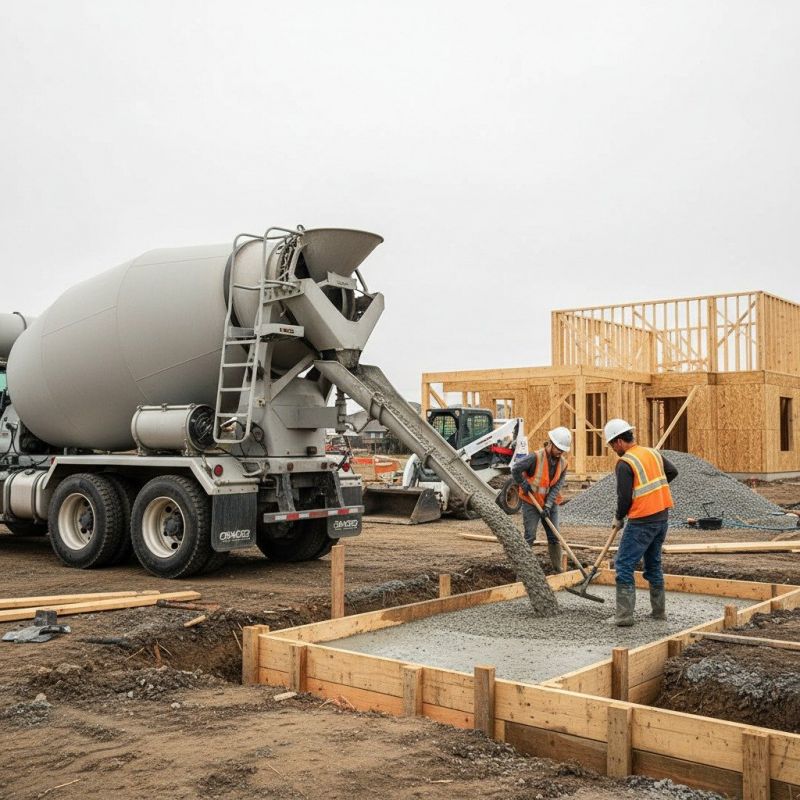
When searching for information on how weather conditions affect concrete delivery and placement, homeowners often want to understand how different elements like temperature, humidity, rain, and wind can impact their construction or renovation projects. This topic is especially relevant for those planning to pour concrete for driveways, patios, foundations, or other large-scale surfaces. People typically seek guidance on how weather might cause delays, affect the quality of the finished surface, or require specific precautions during installation. Understanding these factors helps homeowners better coordinate their project timelines and make informed decisions about scheduling and preparation.
The issues related to weather conditions and concrete work are usually tied to project planning and problem prevention. For example, high temperatures can cause concrete to set too quickly, leading to cracking or reduced strength, while cold weather can slow down the curing process or even freeze the mixture before it hardens properly. Rain and moisture are common concerns, as excess water can weaken the concrete or cause surface defects, while wind can accelerate drying or blow debris onto the fresh surface. Homeowners often need to adjust their plans or seek advice on how to protect their concrete during adverse weather, making the role of experienced local contractors essential for managing these challenges effectively.
Properties that frequently come up in discussions about weather and concrete are typically related to the scope and conditions of the project. These include residential driveways, walkways, patios, basement foundations, or commercial slabs. The size of the area and the type of concrete mixture used can influence how weather impacts the work. For instance, large slabs may require special planning to ensure even curing in fluctuating temperatures, while smaller projects might be more sensitive to sudden rain showers. Homeowners also consider the timing of their projects, aiming to avoid periods of extreme heat or cold, which can compromise the quality of the finished surface.
Understanding how weather conditions affect concrete delivery and placement helps homeowners appreciate the importance of working with local service providers who have experience managing these variables. Local pros can help plan around weather patterns, adjust delivery schedules, and implement protective measures to ensure a successful pour. They are familiar with the climate-specific challenges that might arise in a given area and can recommend best practices for concrete curing and protection. This knowledge ensures that projects are completed with the desired durability and appearance, even when weather conditions are less than ideal.
Foundation Repair Projects - these projects require precise concrete placement, where weather conditions can impact curing times and structural integrity, making local contractors skilled in managing such variables essential.
Bridge Construction - involves large-scale concrete pouring that depends heavily on weather forecasts and planning to prevent delays and ensure safety during placement.
Commercial Building Foundations - require careful coordination of concrete delivery and placement, especially in adverse weather, to maintain quality and compliance standards.
Sidewalk and Pavement Installation - weather conditions directly influence the timing and success of concrete setting, necessitating experienced local service providers for optimal results.
Precast Concrete Fabrication - involves controlled environment casting, but transportation and installation are weather-sensitive, requiring planning and logistics expertise from local pros.
Waterproofing and Sealant Applications - often performed alongside concrete work, where weather impacts curing and adhesion, highlighting the need for skilled local contractors familiar with weather considerations.
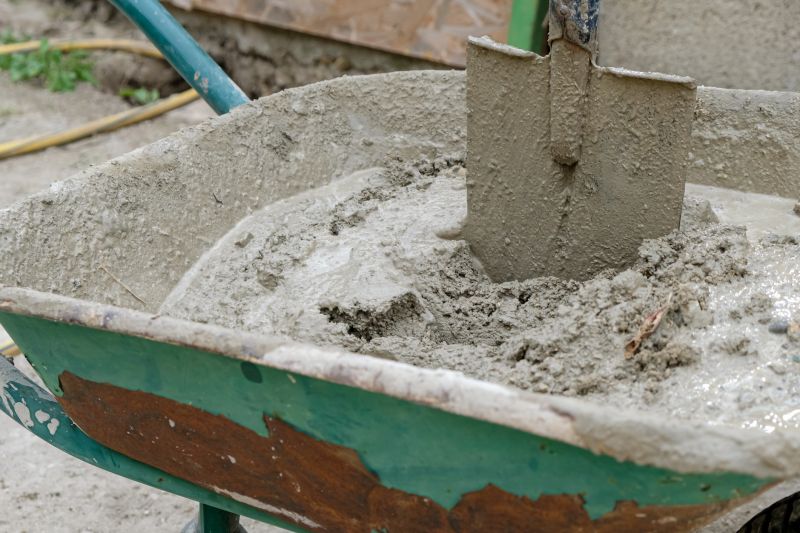
When evaluating concrete delivery services, it’s important to consider the experience of local contractors with similar projects, especially those carried out under varying weather conditions. Contractors who have handled projects in climates or seasons comparable to the current or upcoming weather patterns tend to better understand the challenges that weather can pose to concrete placement. Their familiarity with weather-related delays or adjustments can help ensure the concrete is delivered and placed effectively, minimizing issues like premature setting or cracking caused by temperature fluctuations, rain, or humidity.
Clear, written expectations are essential when comparing local service providers for concrete delivery and placement. Homeowners should look for contractors who provide detailed information about how weather conditions might impact the process and what measures will be taken to address potential weather-related challenges. This transparency helps establish a shared understanding of responsibilities, timelines, and procedures, reducing the likelihood of misunderstandings or surprises once work begins. Well-documented expectations also reflect a contractor’s professionalism and attention to detail, which are valuable when planning around unpredictable weather.
Reputable references and good communication are key indicators of reliable local pros. Contractors who can provide references from previous clients-particularly those who have experienced similar weather conditions-offer insight into their ability to adapt and deliver under different circumstances. Additionally, effective communication throughout the project ensures that homeowners are kept informed about weather-related risks and any necessary adjustments to the schedule or process. This ongoing dialogue helps foster confidence that the contractor is attentive to weather impacts on concrete delivery and placement, ultimately supporting a smoother project execution.
Property owners often search for how weather conditions affect concrete delivery and placement when they are planning practical projects around their homes and businesses. Local pros provide Concrete Delivery services for everyday jobs and straightforward project options.
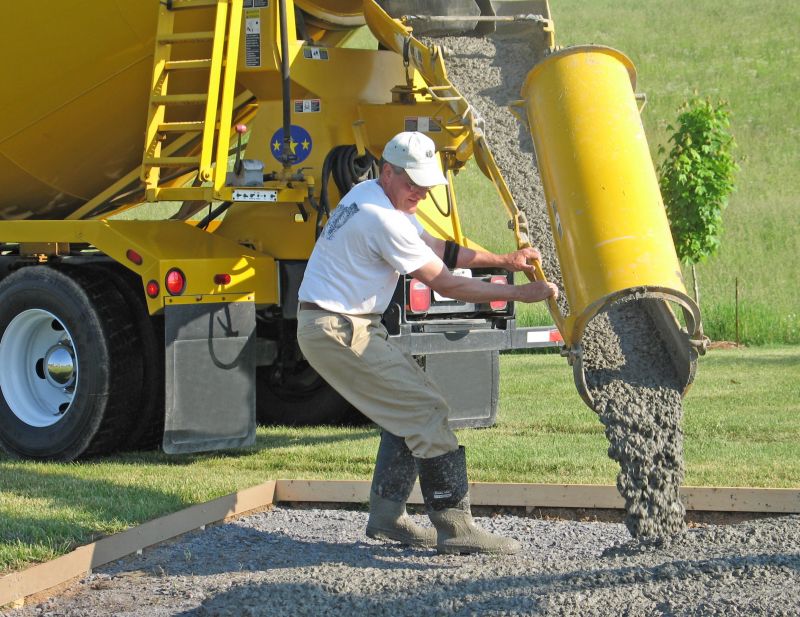
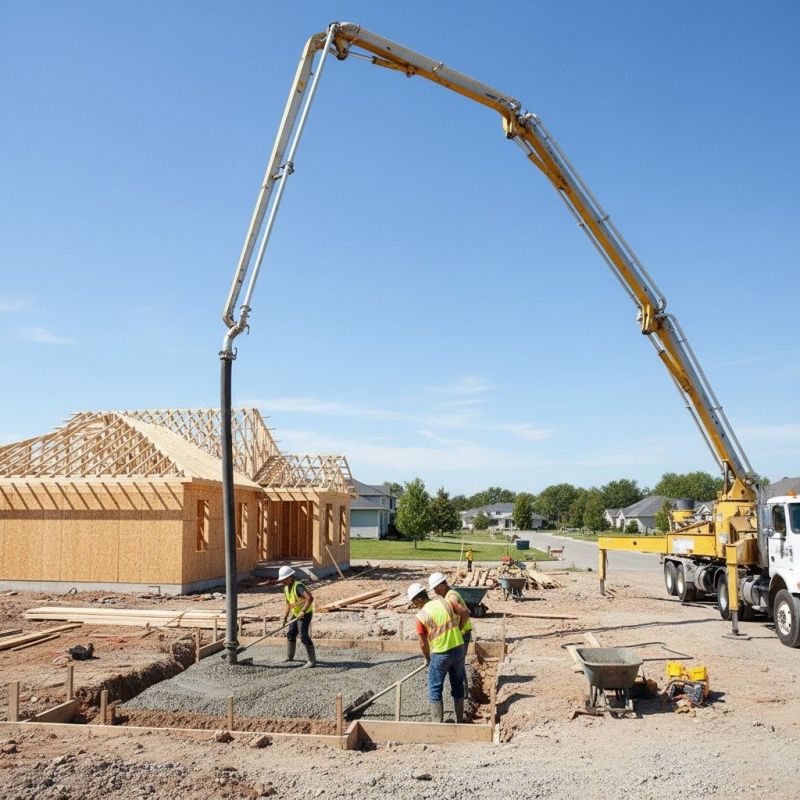
Weather conditions play a significant role in the success of concrete delivery and placement projects. For property owners planning to pour concrete, understanding how factors like temperature, humidity, and rain can impact the process is essential. Hot or windy weather can cause concrete to set too quickly, leading to cracks or weak spots, while cold temperatures may slow down curing or cause freezing issues. Rain and high humidity can also interfere with proper setting, resulting in delays or compromised quality. To avoid these common problems, many turn to local contractors who are experienced in adjusting their delivery and placement strategies based on current weather conditions.
Choosing experienced service providers can help property owners navigate the challenges posed by weather during concrete projects. Local contractors often have the knowledge to modify schedules, use protective coverings, or employ special mixes to ensure the concrete cures correctly despite adverse weather. By working with professionals familiar with the area's typical climate patterns, property owners can reduce the risk of project setbacks and ensure a durable, high-quality finish. Understanding how weather conditions affect concrete delivery and placement highlights the importance of relying on local experts who can adapt to changing conditions and deliver reliable results.
How do temperature changes impact concrete delivery and placement? Temperature fluctuations can affect the setting time and strength of concrete, making it important for local contractors to adjust their delivery methods and timing accordingly.
What effect does rain have on concrete delivery and placement? Rain can delay pouring and compromise concrete quality; experienced service providers often reschedule or take precautions to protect the mixture during wet weather.
How does wind influence concrete placement? Strong winds can cause rapid evaporation and affect the placement process, so local pros may use additives or windbreaks to ensure proper curing and finish.
Can humidity levels affect concrete delivery and setting? Yes, high humidity can slow down curing, while low humidity may cause rapid drying; local contractors adapt their techniques to maintain optimal conditions.
Why is weather monitoring important for concrete delivery services? Monitoring weather conditions helps local pros plan and adjust their delivery and placement strategies to ensure concrete quality and proper curing.
Monitoring weather forecasts can help property owners plan concrete delivery and placement during optimal conditions, reducing the risk of delays or issues.
Scheduling concrete work with local contractors during mild weather days ensures better curing and reduces the chance of cracks caused by temperature extremes.
Adjusting work hours to cooler parts of the day can prevent rapid setting or freezing of concrete, especially in hot or cold weather.
Using weather-resistant materials can support proper concrete placement in challenging conditions, with local pros providing guidance on suitable options.
If you are thinking about how weather conditions affect concrete delivery and placement for a property, this guide is meant to help you understand this topic, the typical project types, and how different options might fit your plans.
When you are ready, you can use the quote form on this page to share a few details about your project. From there, local pros can review the basics and follow up with options that match what you have in mind.