Get Poured Wall Installation
Poured wall installation services help property owners build strong, durable foundations and retaining walls for residential or commercial projects, solving structural and stability issues.
Poured wall installation is a practical solution for property owners seeking durable and reliable foundation or retaining wall systems. Whether planning a new construction project, reinforcing an existing structure, or managing landscape features, understanding the options available can help ensure a successful outcome. Local contractors specializing in poured wall services offer valuable expertise, helping property owners compare different methods and materials to find the best approach for their specific needs.
Exploring poured wall services with experienced local service providers can address a variety of property challenges, from preventing soil erosion to supporting structural stability. Property owners are encouraged to consider their project requirements carefully and review the options available within the community. Continuing to explore local contractors enables informed decisions, guiding projects toward long-lasting and effective results.
- Residential foundations - homeowners may need poured wall installation when constructing or reinforcing a basement or foundation.
- Commercial building projects - businesses requiring durable retaining walls for landscaping or structural support can find local contractors for installation.
- Retaining walls for landscaping - property owners looking to manage soil erosion or enhance outdoor aesthetics may seek poured wall services.
- Basement finishing and remodeling - individuals planning to finish or remodel their basement might need poured walls to create a stable foundation.
- Erosion control solutions - sites vulnerable to soil erosion can benefit from poured wall installations to provide stability and prevent damage.

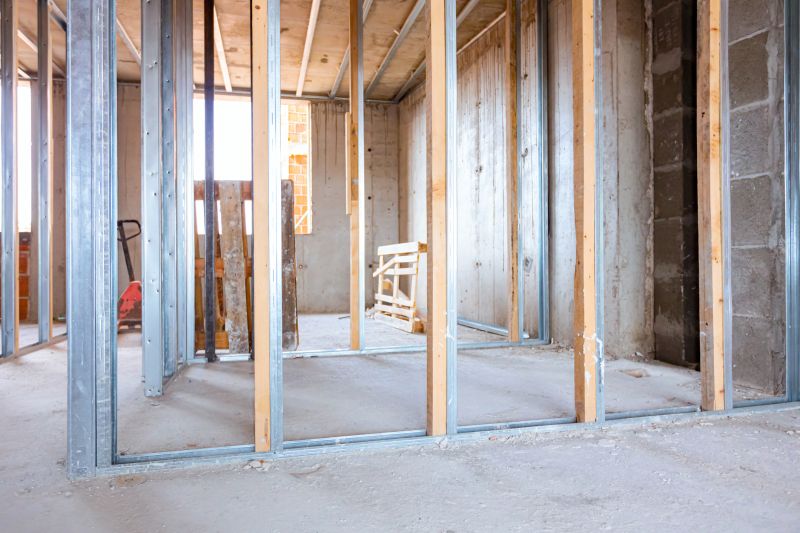
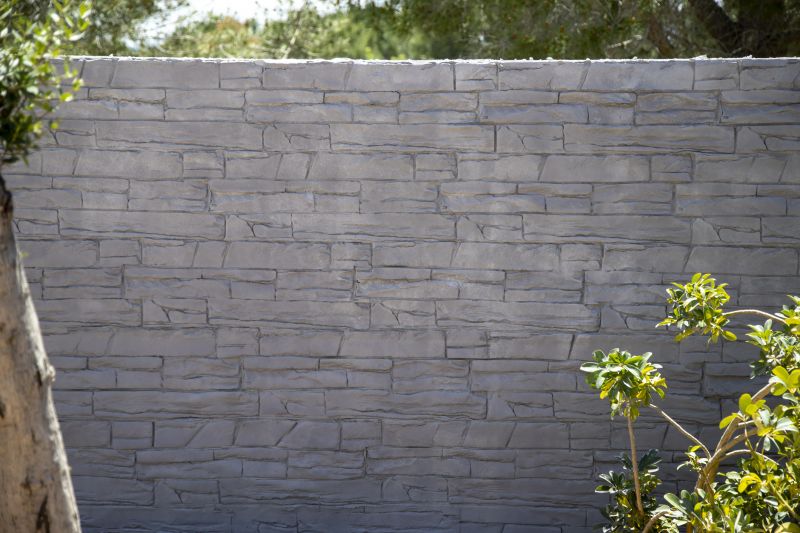
Poured wall installation involves creating sturdy, durable concrete walls that are typically used to enclose basements, foundations, or retaining areas. This process includes excavating the site, setting forms to shape the wall, and pouring concrete into these forms to achieve a solid, seamless barrier. Skilled contractors often reinforce poured walls with steel rebar or other materials to enhance strength and longevity. Proper installation ensures that the walls are level, stable, and capable of supporting the structure or soil around them, providing a reliable solution for various property needs.
One of the primary reasons homeowners consider poured wall services is to address issues related to foundation stability and water intrusion. Cracks, shifting, or deterioration in existing foundation walls can lead to structural problems or basement flooding. Poured walls help mitigate these risks by offering a continuous, waterproof barrier that resists cracking and shifting over time. Additionally, they can serve as effective retaining walls, preventing soil erosion and managing landscape grades, especially on properties with uneven terrain or sloped yards.
Poured wall installation is commonly used on residential properties, including single-family homes, duplexes, and small apartment buildings. They are also suitable for commercial properties that require durable foundation walls or retaining structures. Homes with basements often benefit from poured walls to improve basement waterproofing and prevent moisture issues. Similarly, properties situated on challenging slopes or with poor soil conditions may need these walls to stabilize the landscape and support future construction or landscaping projects.
Homeowners who notice signs of foundation movement, basement leaks, or soil erosion around their property might find poured wall services to be a practical solution. These walls can help reinforce weak or damaged foundations, prevent water infiltration, and improve overall property stability. By working with experienced local contractors, property owners can ensure that the installation is tailored to their specific needs, providing a long-lasting, functional solution that enhances the safety and value of their property.
The overview below groups typical Poured Wall Installation projects into broad ranges so you can see how smaller, mid-sized, and larger jobs often compare in your area.
In many markets, a large share of routine jobs stays in the lower and middle ranges, while only a smaller percentage of projects moves into the highest bands when the work is more complex or site conditions are harder than average.
Smaller Repairs - Typical costs for minor poured wall repairs, such as crack sealing or small patch jobs, generally range from $250 to $600. Many routine repairs fall within this middle range, with fewer projects reaching the higher end of the spectrum.
Standard Installations - Installing new poured walls for basement foundations or similar projects usually costs between $4,000 and $8,000. Most homeowners find their projects fit comfortably within this range, depending on size and complexity.
Full Wall Replacement - Replacing or installing large sections of poured walls can range from $10,000 to $20,000 or more. Larger, more complex projects can reach higher costs, but these are less common than standard installations.
Complex or Custom Projects - Highly customized or intricate poured wall projects, such as reinforced structures or unusual designs, can exceed $20,000. Such projects are less typical and usually involve additional materials or specialized work.
Actual totals will depend on details like access to the work area, the scope of the project, and the materials selected, so use these as general starting points rather than exact figures.
Foundation Wall Construction - Skilled contractors use similar excavation, form-setting, and concrete pouring techniques to build durable foundation walls for various structures.
Retaining Wall Installation - Retaining walls require precise planning, formwork, and concrete work, aligning closely with the skills used in poured wall projects.
Basement Wall Waterproofing - Waterproofing basement walls involves understanding wall structures and applying protective coatings, complementing poured wall installation expertise.
Concrete Wall Repair - Repairing existing concrete walls involves assessing structural integrity and performing concrete patching, utilizing similar tools and planning as new poured walls.
Crawl Space Encapsulation - Encapsulation projects often require sealing and waterproofing concrete walls, relying on the same foundational skills as poured wall installation.
Structural Wall Reinforcement - Reinforcing existing walls involves concrete work and planning to enhance stability, paralleling the techniques used in poured wall construction.
When comparing service providers for poured wall installation, it’s important to consider their experience with projects similar to yours. Homeowners should look for local contractors who have a proven track record of completing poured wall projects comparable in size and scope. An experienced professional is more likely to understand the nuances of site conditions, material choices, and construction techniques that can impact the quality and durability of the walls. Gathering information about how long a contractor has been working in the area and their familiarity with local building conditions can help ensure the selected provider has the necessary expertise.
Clear, written expectations are essential for a smooth project process. Homeowners should seek out service providers who can provide detailed, written estimates and scope of work that outline what is included and what is not. Having this documentation helps prevent misunderstandings and sets a transparent foundation for the project. It’s also helpful to ask about the contractor’s process for handling changes or unforeseen issues, ensuring that expectations are aligned from the outset. This clarity can contribute to a more organized and predictable project experience.
Reputable references and effective communication are key indicators of a dependable contractor. Homeowners are encouraged to request references from past clients who had similar poured wall projects, providing insight into the contractor’s workmanship, reliability, and professionalism. Good communication throughout the process-such as prompt responses to questions and clear updates-can make a significant difference in the overall experience. While the site itself does not perform the work, it connects homeowners with local service providers who are equipped to handle the project professionally and with attention to detail.
Property owners use Poured Wall Installation services for practical projects around their homes and businesses. This guide focuses on everyday jobs and straightforward project options.
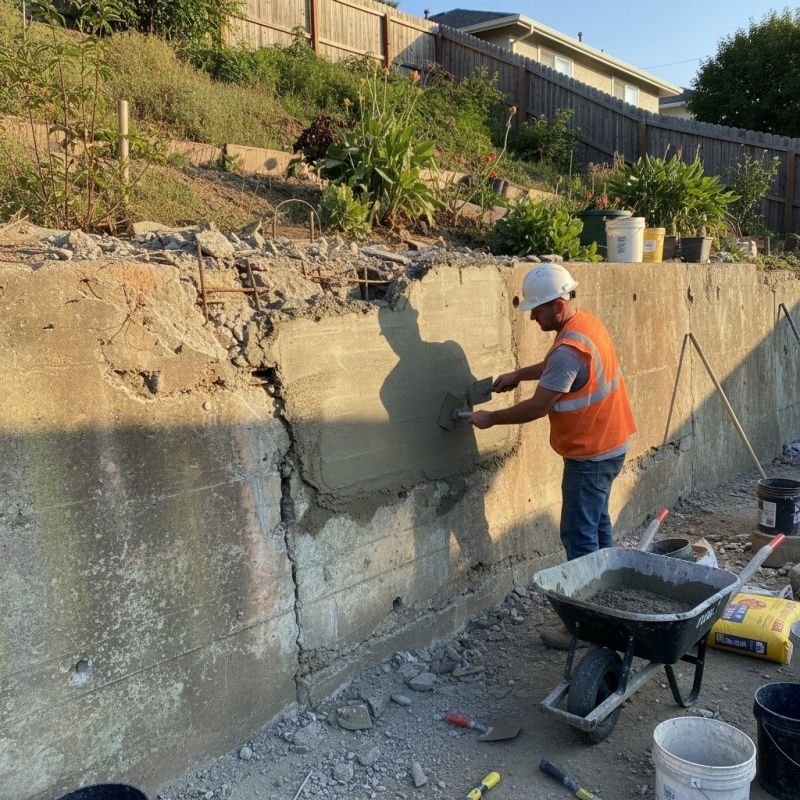
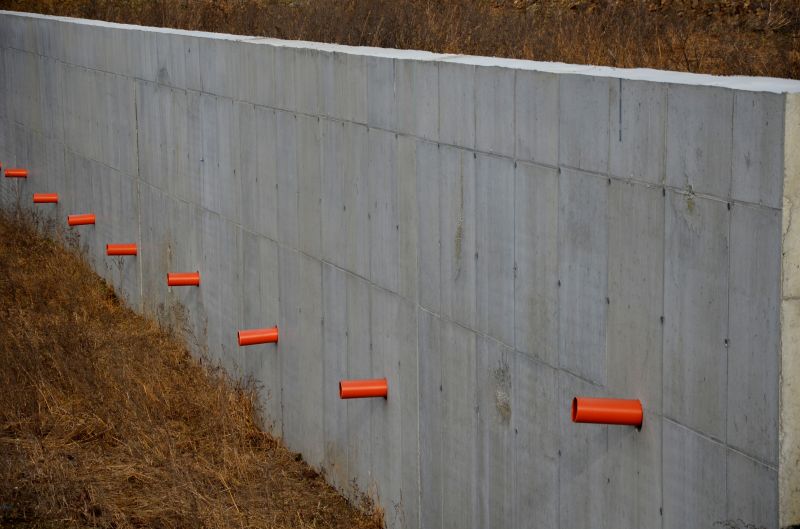
Poured wall installation is a common solution for property owners dealing with basement or foundation wall needs. Homeowners may seek these services when constructing a new foundation, reinforcing existing walls, or addressing issues like cracks and water intrusion. Local contractors are often called upon to provide a durable, long-lasting wall that can withstand the elements and support the structure’s stability, making it a practical choice for many everyday property projects.
In addition, property owners might look for poured wall services when renovating or finishing a basement space, requiring reliable foundation walls that are both functional and visually appealing. Whether expanding living areas or repairing damaged sections, local service providers can handle a variety of project sizes and complexities. Connecting with experienced contractors ensures that the job is completed properly, helping to protect the property’s value and structural integrity.
What are poured wall installations used for? Poured wall installations are commonly used for foundations, retaining walls, and basement walls to provide structural support and stability.
How do poured walls compare to block walls? Poured walls typically offer a seamless and stronger structure, while block walls may be easier to modify or repair, depending on the project requirements.
What materials are involved in poured wall construction? The primary material used is concrete, which is poured into forms to create durable, solid walls tailored to the project's specifications.
Can poured walls be customized for different designs? Yes, poured wall services can include various finishes, textures, and reinforcements to suit different aesthetic and structural needs.
How do local contractors ensure proper poured wall installation? Experienced service providers follow industry best practices, use quality materials, and adhere to standard procedures to ensure the integrity of poured wall structures.
Basement and Yard Improvements - Poured wall installation can provide strong, durable support for basement foundations or yard landscaping projects.
Retaining Wall Construction - Local contractors can help build retaining walls to prevent soil erosion and create level outdoor spaces.
Property Boundary Marking - Poured walls can serve as clear, permanent boundaries around a property or garden area.
Flood Prevention Solutions - Installing poured walls can help protect lower levels from water intrusion during heavy rains.
If you are thinking about Poured Wall Installation for a property, this guide is meant to help you understand the work, the typical project types, and how different options might fit your plans.
When you are ready, you can use the quote form on this page to share a few details about your project. From there, local pros can review the basics and respond with options that match what you have in mind.